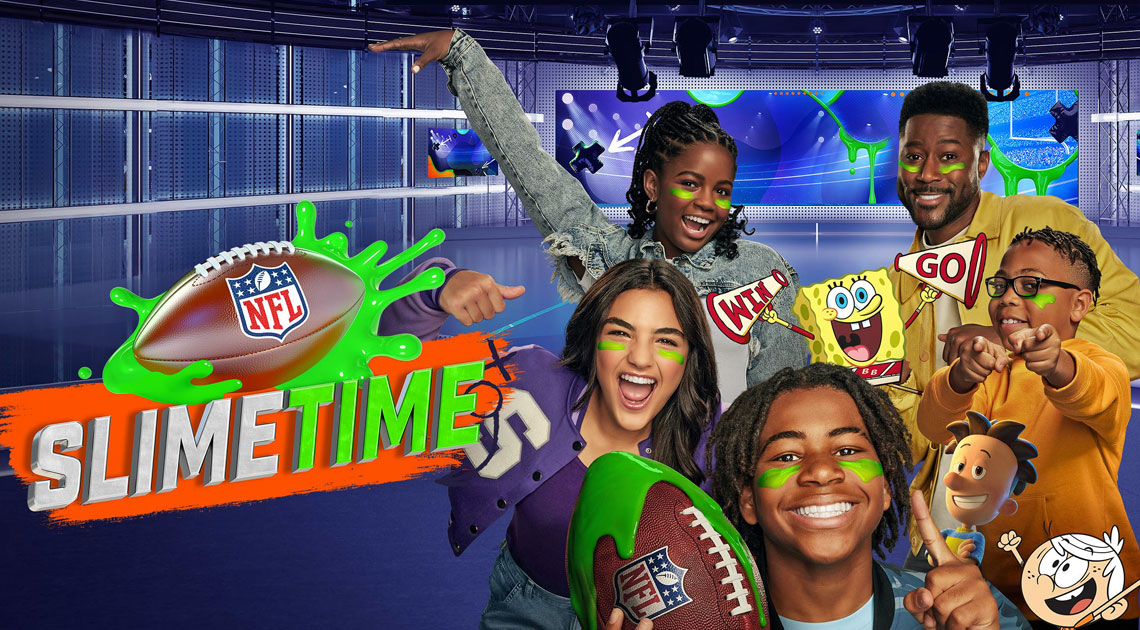
In the competitive landscape of professional sports, brand licensing is more than just a revenue stream – it’s a key strategy for driving fan engagement, especially among younger audiences. Professional sports brands understand that children represent the future of their fan base, and through well-conceived licensing strategies, they aim to create early and lasting emotional connections. To succeed, sports brands leverage a combination of product design innovation, targeted marketing, and precise visual cohesion – primarily through a comprehensive consumer product style guide – to ensure that every touchpoint resonates with young fans.
Let’s take a deep dive into how professional sports brands strategically use licensing to engage kids, focusing on methodologies and tactics that drive long-term fan loyalty, while also maintaining brand integrity across licensed products.
Going beyond the basics: strategic considerations for licensing to kid demographics
Children are a uniquely valuable demographic for sports licensing, but engaging them requires a different approach compared to adult fans. Kids are highly responsive to visual cues, and their preferences are shaped not only by their own experiences but also by the brands, celebrities, and trends around them. The goal for sports brands is to embed themselves into a child’s day-to-day life through licensed products that are aspirational, entertaining, and accessible.
One of the most effective strategies for engaging young fans is offering a diversified range of licensed products designed specifically with kids in mind. Professional sports brands work closely with their licensees to create products that align with a child’s lifestyle – products that are not just smaller versions of adult merchandise but are intentionally crafted to meet the unique needs of younger consumers.
Key product categories targeted toward kids:
Apparel and Accessories:
From youth-sized jerseys to playful hats featuring bold team colors and simplified logos, licensed apparel is often the first touchpoint for kids in the sports brand ecosystem. These products serve as both fashion statements and symbols of allegiance, reinforcing the team’s presence in the child’s life outside of the game.
Toys and Games:
Action figures, board games, and puzzles help children immerse themselves in the world of their favorite professional sports leagues. Toys create an emotional connection that extends beyond the TV screen or stadium, helping kids relate to their favorite athletes and teams in a more personal way.
Digital Integration:
Today’s kids are digital natives, and successful licensing strategies must cater to this reality. Sports brands increasingly license their IPs for use in video games and mobile apps. EA Sports’ FIFA, for example, not only engages young soccer fans but also offers virtual in-game purchases of branded merchandise, such as team kits and cleats. This integration creates a direct link between the digital experience and physical merchandise, amplifying fan engagement across both realms.
Collectibles:
Kids love collecting, and this has been capitalized on by brands through licensed trading cards, bobbleheads, and limited-edition merchandise. The NBA’s collaboration with Panini for trading cards is a perfect example of how collectible products can fuel fan enthusiasm and establish a sense of ownership over the brand experience.
These categories are only effective if executed strategically – and that’s where the consumer product style guide becomes critical.
The consumer product style guide: more than just visual consistency
While all of us brand licensing are well aware of the importance of investing in a comprehensive style guide, what often goes unspoken is its strategic power beyond mere visual consistency. For kid-targeted products, the style guide functions as a blueprint for delivering age-appropriate, visually engaging, and emotionally resonant products across a broad range of consumer product categories.
A well-executed style guide is an evolving tool that extends far beyond traditional brand assets. It includes specific instructions tailored to different demographics, recognizing that what appeals to a six-year-old may not resonate with a 12-year-old. The nuances of visual appeal, brand storytelling, and engagement tactics must be deeply embedded into the sports brand’s guide.
Elements of the style guide tailored to kids
Color Palettes and Typography:
While adult fans may appreciate the traditional, sophisticated colors and fonts associated with a team’s identity, these elements are often modified for younger audiences. Bright, playful hues and bold, simple typography are frequently used to ensure that products are visually stimulating and accessible to children. For example, the NBA’s youth apparel line often features more vibrant color schemes and larger logos, making the designs more attractive to kids without straying too far from the core identity.
Mascot and Character Use:
For kids, mascots are often more memorable than players. The strategic use of mascots is a key component of any style guide for kid-targeted licensing. Teams like the Philadelphia Phillies with their famous (and, in my opinion, greatest) mascot, the Phanatic, have expanded the character’s presence across merchandise categories, from plush toys to animated videos. The mascot becomes the face of the brand for children, creating a fun and engaging persona that builds a lasting bond with young fans.
Interactive Elements:
Increasingly, style guides are incorporating instructions for licensed products that go beyond traditional merchandising. Sports brands are exploring augmented reality (AR) elements or integrating scannable QR codes into products like trading cards or apparel that link to interactive experiences. For example, some licensed jerseys now include digital overlays that allow fans to unlock exclusive video content or games, creating an engaging, multi-platform experience.
Best practices for engaging young audiences through licensing
Given the depth of competition in the entertainment and retail sectors, sports brands must innovate continuously to stay top-of-mind with young fans. Licensing strategies for children have evolved to encompass both active marketing tactics and experiential touchpoints. Here are some proven best practices:
Co-branded Collaborations with Pop Culture Icons:
Children are often more attuned to broader pop culture trends than sports alone, so successful licensing programs frequently involve co-branded collaborations that align with kid-friendly entertainment brands. A prominent example is the NFL’s partnership with Nickelodeon. The NFL launched Nickelodeon-themed broadcasts, NFL Slimetime, featuring Nate Burleson and Young Dylan, and licensed products featuring characters from the popular network. The crossover between sports and entertainment enhances the appeal of NFL-branded products by tapping into a cultural reference that resonates with children.
Such partnerships provide a bridge between the traditional sports fan experience and other aspects of kids’ daily lives, making the licensed products even more desirable.
Limited Edition and Exclusive Merchandise Drops:
Scarcity drives excitement, and professional sports brands have begun employing strategies commonly used in streetwear culture to engage younger fans. Teams or leagues will often release limited-edition merchandise, creating a sense of urgency and exclusivity around the product. These limited drops, especially when tied to a major event or player milestone, are perfect for building anticipation among young fans who are heavily influenced by trends and peer approval.
An example of this is Nike’s NBA City Edition jerseys, which change each year and offer unique, location-specific designs. By producing these jerseys in limited quantities, the NBA taps into kids’ desire for individuality and exclusive ownership, key drivers of engagement for this demographic.
Social media integration and influencer collaborations:
In today’s digital-first world, brand licensing strategies must be closely tied to social media campaigns, especially platforms popular with younger audiences like TikTok and Instagram. Professional sports brands have increasingly partnered with influencers and young athletes who appeal to kid demographics, creating sponsored content that showcases licensed merchandise in an authentic, relatable context.
For instance, the MLS (Major League Soccer) has worked with rising youth stars in soccer and popular content creators to promote youth apparel and merchandise lines. These partnerships are an excellent way to connect with young fans in their preferred digital spaces, driving engagement and sales through influencers who speak their language.
Building lifelong fan loyalty through licensing
In professional sports, brand licensing plays a pivotal role in cultivating the next generation of fans. The kid demographic is not just a secondary market – it’s a core audience that requires focused, expert-level strategies to drive engagement and foster lifelong loyalty. Through product innovation, strategic partnerships, and meticulous leveraging a consumer product style guide, sports brands are creating immersive, engaging experiences that go far beyond the game itself.
By embedding their brands into a child’s everyday world – whether through apparel, toys, or digital experiences – sports brands are investing in relationships that will pay dividends over a lifetime.
If your licensing program is targeting younger audiences, your consumer product style guide can’t simply document logos and colors. It needs to translate your brand into age-appropriate visuals, character systems, digital integrations, and clear application rules that licensees can execute with confidence.
Our approach to style guide design helps professional sports and entertainment brands build strategic, scalable guides that protect brand integrity while creating meaningful engagement across product categories and demographics. If you’re ready to strengthen how your brand connects with the next generation of fans, we’d welcome the opportunity to start that conversation.