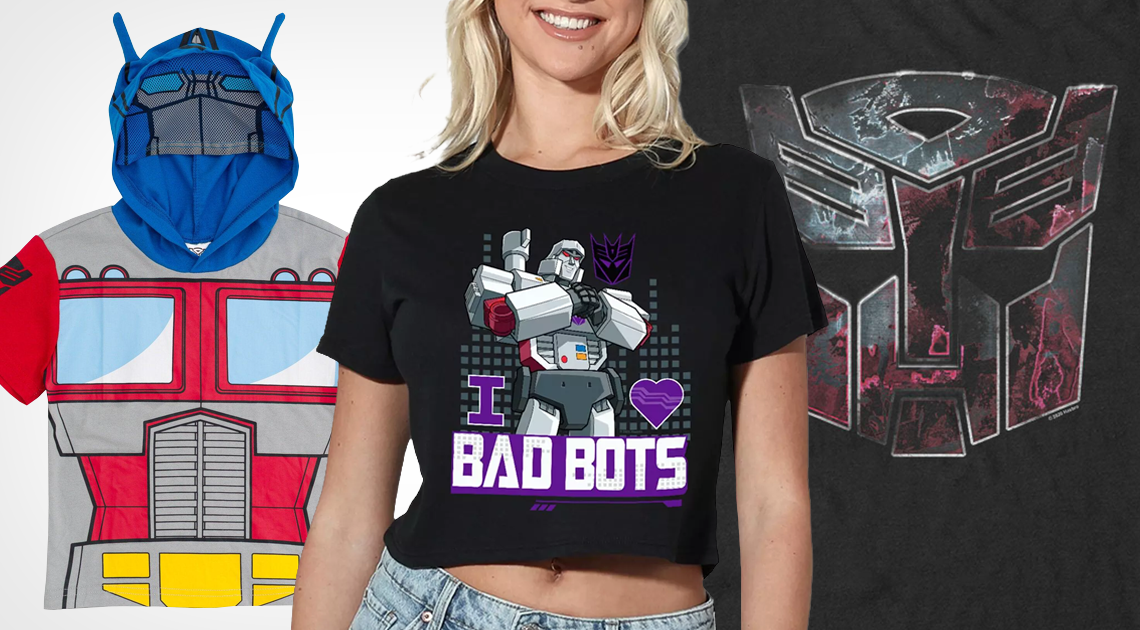
One of the more interesting challenges in brand licensing comes when a property begins attracting consumers beyond its original target audience.
A preschool entertainment brand may develop a following among parents who enjoy its characters and humor. A toy property that children grew up with may find an enthusiastic audience among adult collectors. An established entertainment franchise may appeal to longtime fans who have a very different relationship with the brand than someone discovering it for the first time.
For brand owners, these developments present exciting opportunities. They can open doors to new product categories, retail channels and licensing partnerships. But they also introduce a creative challenge that deserves careful consideration.
How do you design for audiences with different tastes, expectations and emotional connections to the same brand without creating competing versions of its identity?
It’s a question that goes well beyond deciding whether a particular product should look more youthful, sophisticated or nostalgic. It requires an understanding of what each audience values about the property, how those relationships differ and which elements of the brand’s visual identity should remain recognizable regardless of whom we’re designing for.
Understanding how different audiences connect with a licensed brand
Before developing audience-specific design directions, it’s important to understand why those audiences are interested in the brand in the first place.
A child may connect with a character through its personality, humor or adventures. A parent may appreciate the same property because of its positive messages or the experiences they share with their child. An adult collector may have a deeply personal connection rooted in nostalgia, an appreciation for the property’s history or an interest in its broader storytelling universe.
These consumers may all recognize and love the same characters, but their motivations for purchasing licensed products can be quite different.
That’s where research becomes especially valuable.
Demographic information can tell us who these consumers are. Understanding their relationship with the brand tells us something much more useful: what aspects of the property are most meaningful to them and how those qualities might influence their purchasing decisions.
For designers, that distinction can uncover opportunities that wouldn’t necessarily emerge from studying age groups or product categories alone.
Finding the creative common ground
When a licensed brand serves multiple audiences, there’s often a temptation to develop dramatically different visual approaches for each one.
That may seem logical. After all, the design sensibilities of a six-year-old are quite different from those of a thirty-year-old collector.
But developing separate aesthetics without first identifying the brand’s underlying visual DNA can lead to a licensing program that feels increasingly disconnected.
I believe the better approach begins by identifying the creative characteristics that make the property recognizable and distinctive.
That might include the personality of its characters, the nature of its storytelling, its established color associations, recognizable graphic motifs or the visual qualities of the world in which the property exists.
Some of these characteristics will translate naturally across audiences. Others may need to be interpreted more selectively.
The important thing is to establish a common creative foundation before exploring how the brand might express itself differently.
A distinctive visual language gives designers something to work from. It allows them to develop different creative expressions that feel appropriate for their intended audiences while maintaining a recognizable connection to the property.
Designing for audience relevance without resorting to stereotypes
One of the risks of audience-specific design is relying too heavily on assumptions about what different age groups want.
Designing for children doesn’t automatically mean using brighter colors, oversized character art and playful typography. Likewise, designing for adults doesn’t necessarily call for muted palettes, minimalist graphics or a more sophisticated aesthetic.
Those approaches may be appropriate in certain circumstances, but they shouldn’t become the default simply because of the consumer’s age.
A more meaningful creative direction comes from understanding the relationship between the audience and the brand.
For example, an adult fan may be drawn to the same expressive character artwork that appeals to younger consumers. What changes may be the context in which that artwork is presented, the product category, or the way supporting design elements are used to create a different emotional response.
Similarly, a children’s product doesn’t necessarily need an entirely separate visual identity to feel engaging and age-appropriate.
Sometimes relatively subtle adjustments to composition, typography, color relationships or graphic hierarchy can create a distinctly different impression.
The creative challenge is determining which changes genuinely strengthen audience relevance and which simply follow familiar design conventions.
Creating distinctive design expressions within one licensing program
Once the brand’s core visual language has been established, there’s an opportunity to develop audience-specific design expressions that reflect different consumer interests.
These might take the form of individual design collections, alternative character treatments, category-specific graphic systems or creative themes that explore different dimensions of the property.
The key is ensuring that each expression has a clear strategic purpose.
A nostalgia-inspired collection, for instance, might draw upon recognizable artwork, typography or visual references from an earlier period in the brand’s history. A contemporary lifestyle collection might emphasize graphic elements that translate naturally to apparel and accessories. A younger audience might respond to artwork and design elements that celebrate the property’s humor, energy or sense of adventure.
Each approach can have its own visual personality while remaining connected to the same brand.
This is where thoughtful design elements development becomes particularly important.
Rather than creating unrelated collections of graphics for different audiences, designers can establish relationships among the elements through shared visual characteristics, recognizable brand assets and consistent creative principles.
The resulting collections should feel like different expressions of one brand, rather than separate brands competing for attention.
Recognizing when an audience deserves its own creative direction
Of course, not every audience segment requires a dedicated design collection.
In some cases, an established style guide already provides enough creative flexibility for licensees to develop products that appeal to different consumers. The available character artwork, design elements and product inspiration may be sufficiently versatile to accommodate a wide range of applications.
Developing additional creative directions simply because a brand serves multiple audiences can introduce unnecessary complexity.
The decision should be driven by a meaningful difference in consumer expectations or a specific opportunity within the licensing program.
Perhaps a growing adult audience is seeking products that celebrate the property’s heritage. Maybe a brand is entering a lifestyle category where its existing visual assets don’t fully support the desired expression. Or perhaps a new audience has developed a connection with a particular aspect of the property that hasn’t been explored creatively.
These circumstances can justify a more focused design approach.
What’s important is understanding what the new direction needs to accomplish before determining how extensively the brand’s visual language should evolve.
Giving licensees the creative tools to reach different consumers
A licensing style guide has an important role to play in bringing these audience-specific strategies to life.
It’s one thing to establish a compelling creative direction. It’s another to give licensees the assets and inspiration they need to interpret that direction across consumer product categories.
When a brand serves multiple audiences, the style guide should communicate the thinking behind each creative expression, not simply present collections of approved artwork.
Licensees benefit from understanding the intended consumer, the emotional qualities the design should convey and the kinds of product applications that best demonstrate the opportunity.
Thoughtfully developed product inspiration can be especially effective here. It allows brand owners to demonstrate how different design expressions might translate into merchandise without prescribing identical solutions for every licensee.
This approach also encourages more imaginative product development. Licensees can explore ideas that resonate with their particular audiences while remaining connected to the larger brand identity.
Building a brand that can mean different things to different people
One of the remarkable qualities of a successful entertainment property is its ability to establish meaningful relationships with people whose interests and experiences may be very different.
For some consumers, the connection begins in childhood. For others, it develops through shared family experiences, collecting, storytelling or an appreciation for the property’s creative world.
Those relationships can create significant opportunities for brand owners, provided the licensing program has the creative depth to support them.
The objective isn’t to make every licensed product look alike. It’s to develop a visual language that can accommodate different interpretations while preserving the characteristics that make the brand distinctive.
Achieving that balance requires research, a clear creative strategy and an understanding of how design influences the way different audiences experience a brand.
At Design Force, we believe this is one of the most valuable contributions that thoughtful style guide design can make to a licensing program. If you’re exploring opportunities to reach new consumer audiences or looking to strengthen the creative direction of an established licensed brand, we’d welcome the opportunity to discuss how our approach to style guide design can help you develop a more versatile, distinctive and cohesive visual identity.