For many toy collectors, the packaging is every bit as important as the collectible itself. Some collectors prefer to keep their purchases unopened, preserving the original presentation. Others carefully remove the product, then retain the packaging as part of their collection. And for some, the package becomes a display piece in its own right.
I’ve always found this relationship interesting because it changes the role packaging plays in the overall product experience.
Traditional toy packaging is designed to attract attention, communicate play value and motivate a purchase. Collector toy packaging must accomplish those things, too. But it also has an opportunity to create a lasting emotional connection with consumers who often have a deep appreciation for the brands they collect. That presents some fascinating creative opportunities for package designers.
Understanding the emotional value of collector toy packaging
Collectors often have relationships with brands that extend well beyond the products they’re purchasing. They may have grown up with a property, followed its evolution over decades or developed an appreciation for its characters, history and cultural significance. The product represents something personal, and its packaging can reinforce that connection.
Nostalgia is an obvious consideration, particularly for heritage toy and entertainment brands. Familiar typography, vintage illustrations, original logos and recognizable packaging conventions can immediately transport collectors back to an earlier time.
But nostalgia isn’t the only opportunity. Packaging can also celebrate a property’s storytelling, acknowledge its cultural significance or introduce collectors to an entirely new interpretation of a familiar brand. The challenge is understanding which qualities carry genuine emotional meaning for the intended audience and finding creative ways to express them.
When collector packaging becomes part of the storytelling
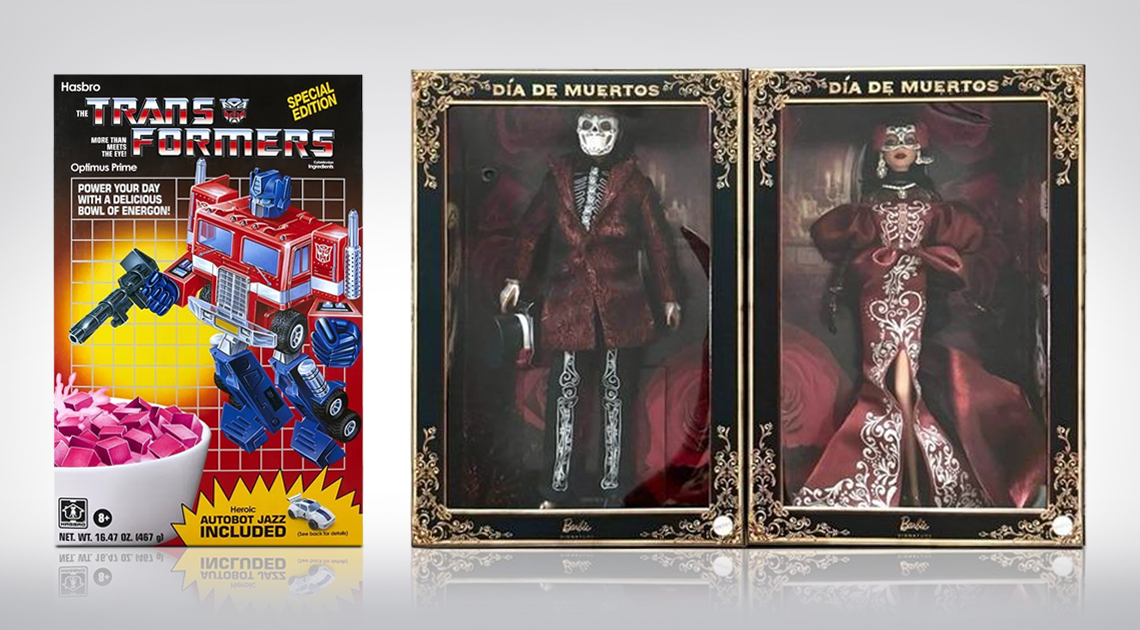
Hasbro’s 2026 Transformers Optimus Prime & Autobot Jazz Cereal Box Set offers an imaginative example of packaging that draws upon a brand’s history. The collectible figures are presented inside a fictional Transformers cereal box inspired by the 1980s. The concept recalls Saturday mornings spent watching cartoons, eating breakfast and discovering a surprise toy inside a cereal package.
What makes the approach so effective is its connection to the experience of growing up with Transformers. Rather than simply reproducing vintage packaging graphics, Hasbro created a playful scenario that collectors can immediately recognize. The package becomes part of the nostalgia, giving the collectible an additional layer of personality.
It’s a reminder that packaging can celebrate a brand’s heritage without necessarily recreating something that existed decades ago.
Designing collector packaging as a display experience
Mattel’s 2026 Día de Muertos Barbie and Ken dolls demonstrate a different approach, one in which the packaging becomes an extension of the collectible’s visual presentation. The dolls are displayed within ornate framed window boxes featuring rich colors, decorative flourishes and illustrated environments inspired by the celebration’s traditions. Details from the dolls’ costumes and accessories carry into the packaging, creating a cohesive visual experience.
What I find particularly interesting is how the design balances the individuality of each year’s release with the continuity of the larger collection. The framed window-box format has become a recognizable feature of the series, allowing collectors to display dolls from different years together while appreciating the distinctive artwork developed for each edition. The packaging is designed to remain visually relevant long after the initial purchase, whether the dolls stay inside their boxes or are removed for display.
Creating packaging collectors want to keep
When packaging is likely to remain with the product, its design deserves a different level of consideration. Structural design becomes particularly important. A package might need to display beautifully on a shelf, protect the collectible over time or allow the product to be removed without compromising the presentation.
Graphic design plays an equally significant role. A distinctive visual identity, carefully considered typography and compelling compositions can make packaging attractive enough to display alongside the collectible. Side and back panels may become just as important as the front, especially when packages are arranged together as a collection.
There’s also an opportunity to incorporate details that reward closer examination. Archival illustrations, character histories, unexpected graphic references and subtle connections to a property’s storytelling universe can give collectors something new to discover. These details should feel purposeful. Collectors tend to know the brands they follow exceptionally well, and authenticity matters.
Elevating the collector experience through package design
Premium collector packaging doesn’t automatically require elaborate structures, expensive materials or an abundance of special finishes. Sometimes a beautifully executed illustration or a thoughtful reinterpretation of familiar brand assets can communicate more value than an overly elaborate presentation. Other times, a distinctive structure or unexpected packaging concept becomes central to the collectible’s appeal. The right solution depends on the brand, the product and the audience.
What matters is recognizing that collector packaging can play a continuing role in how consumers experience a brand. It may remain on display, become part of a larger collection or serve as a reminder of the memories and stories associated with the property. That’s what makes this area of package design particularly interesting to me. The creative opportunity extends well beyond the moment of purchase.
At Design Force, we believe thoughtful package design can strengthen these connections through distinctive visual identity, imaginative storytelling and a carefully considered presentation. If you’re developing a collectible toy line or exploring new ways to engage an established brand’s collector audience, we’d welcome the opportunity to discuss how our approach to package design can make the packaging experience as memorable as the collectible itself.