Seasonal style guides are a crucial part of the brand licensing ecosystem. For entertainment properties, they serve as the bridge between storytelling and retail, taking beloved characters and translating them into timely, relevant, and commercially-effective seasonal campaigns. When executed well, a seasonal style guide goes beyond adding holiday-themed motifs to character art. It preserves brand DNA while creating space for fresh, holiday-specific expression. For licensed entertainment brands, the challenge is clear: stay true to the world of the brand while making the holidays feel ownable rather than generic.
The role of seasonal style guides in licensing strategy
Seasonal programs offer built-in retail moments and marketing spikes. Valentine’s Day, Easter, Halloween, and Christmas (or broader winter holiday themes) are consistent tentpole events for consumer product rollouts, especially in categories like apparel, toys, accessories, home goods, and seasonal food packaging. Retailers expect brands to deliver product that’s not just festive, but also differentiated and instantly recognizable.
This is where the seasonal style guide becomes essential. A strong guide provides licensees with ready-to-use assets, character art, patterns, icons, typography, and editorial copy designed to fit the specific tone of a holiday. More importantly, it does this in a way that reflects the brand’s unique personality and story universe. Instead of leaning into generic holiday imagery, the guide should reimagine the holiday through the lens of the brand itself.
Balancing holiday aesthetic with brand authenticity
When building a seasonal look, the temptation is to default to classic holiday iconography — pink hearts for Valentine’s Day, pastel eggs for Easter, pumpkins and ghosts for Halloween, and red-and-green motifs for Christmas. But, if every brand uses the same visual language, the result is sameness across shelves.
Instead, start by asking: How would this brand celebrate the holiday? A sci-fi franchise will express Halloween differently than a preschool show or a nostalgic animation reboot. Lean into the brand’s tone. Is it humorous, edgy, magical, heartfelt? That tone should guide every decision from color palette to typography.
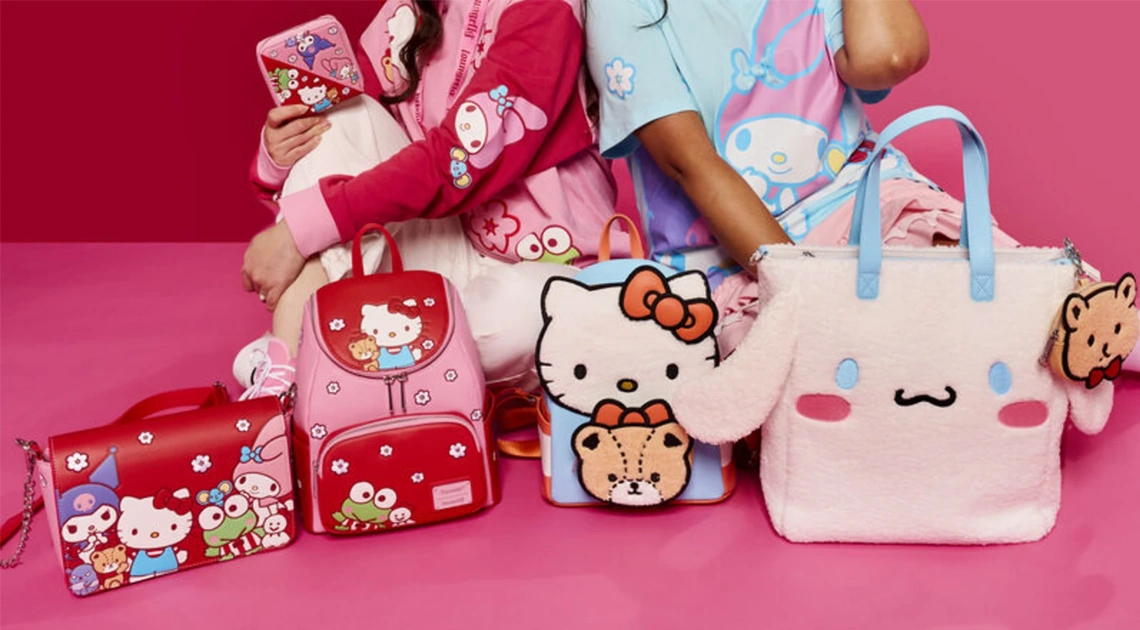
For example, the Hello Kitty brand’s 2024 Valentine’s Day collection, released in partnership with Loungefly, reimagined hearts and sweets through the lens of kawaii culture. The line features mini backpacks, a crossbody bag, a Sherpa tote bag with coin bag and a wallet in a palette of reds and pinks with Hello Kitty herself in themed outfits. And, it all stays true to Sanrio’s graphic charm. It’s not just Valentine’s Day. It’s Valentine’s Day as told by Hello Kitty.
Similarly, Bluey, the hit preschool series, released a winter holiday-themed apparel range that highlighted cozy storytelling rather than traditional red-and-green overload. With soft knit sweaters and stockings featuring illustrated scenes of the Heeler family ready for an Australian summer Christmas, surrounded by tropical patterns of pineapples and palm trees. The collection stayed emotionally grounded in Bluey‘s warm, slice-of-life storytelling.
Creating ownable visual language through design elements development
To build a holiday aesthetic that’s ownable, start with the brand’s existing design language. What colors, shapes, and motifs are already present in the brand’s core style guide? Rather than replacing these with traditional holiday symbols, evolve them.
For instance, if a brand’s core palette is bold and neon, Halloween design elements might use electric purples and acid greens rather than the standard orange-and-black. A heart motif for Valentine’s Day could be stylized in the same linework or brush texture as the brand’s logo. Even typography should remain on-brand, replacing the brand’s headline fonts with decorative holiday styles can dilute its identity, if font families aren’t selected carefully.
Custom iconography can help bridge the gap between seasonal relevance and brand storytelling. Think about creating brand-specific versions of holiday icons such as spiderwebs, snowflakes, heart patterns or Easter eggs that include in-world details from the entertainment brand’s universe. These are the touches that make the holiday feel exclusive to the brand.
Editorial storytelling and character integration in holiday-themed licensing programs
Editorial copy is another powerful tool that often gets overlooked in seasonal programs. It’s not just about saying “Happy Holidays.” It’s about telling a short, ownable story that adds emotional or comedic resonance to the design.
Use editorial to frame the holiday moment within the brand’s tone. For Valentine’s Day, a snarky animated show might lean into awkward crushes and funny pick-up lines, while a magical girl property might write love letters or affirmations from one character to another. Easter could involve a scavenger hunt, gifting moment, or friendship-focused storyline. Halloween might feature a costume party or lighthearted scare-fest. Winter holidays can center around traditions, giving, or reflection – all depending on the property.
Character expression and placement matter, too. Characters shouldn’t feel like they’ve simply been dropped into a generic scene. Create dedicated character poses that reflect how they would experience the holiday, whether that’s mischievously unwrapping gifts early, baking treats for friends, or reacting to spooky shadows. Tie everything back to character-driven storytelling, even in static art.
Design element types that matter to licensee partners
A full seasonal guide should include a mix of dedicated character artwork, graphics, badges patterns, borders, icons, backgrounds, and type treatments. But it’s not just about asset quantities. It’s about utility. Every asset should be designed for real-world use, especially in the product categories that drive seasonal sales.
For instance, patterns and icons are often used on apparel and home goods, so they should scale well and retain legibility. Borders and backgrounds are useful in packaging, while badge designs are perfect for gifting, cards, and digital content. Providing layered files, color variants, and usage guidelines ensures licensees can adapt assets across formats without distorting the brand.
It’s also smart to plan multiple tiers of assets, from mass-market simplicity to specialty or DTC exclusivity. A Walmart program may need broader appeal, while a drop with a fashion-forward brand can go niche and bold.
Strategic timing and planning for holiday-themed brand licensing
Developing seasonal style guides takes time. Ideally, assets for Valentine’s Day should be in licensee hands by Q3 of the prior year, with Christmas content ready a full year in advance. Licensing timelines are long, and retail placement windows are tight. The best seasonal guides are not afterthoughts. They’re part of the annual brand calendar, tied to both creative and commercial strategy.
Seasonal assets should also align with broader marketing beats. Is there a new season of the show launching? A special episode set during the holiday? A crossover event? These narrative hooks can elevate seasonal style guides from basic to brilliant, offering media integration and content extensions that give retailers and fans more reason to engage.
Don’t “decorate” your brand for the holidays: build seasonal worlds
Creating seasonal style guides for licensed entertainment brands is about more than slapping Santa hats on characters or adding heart-shaped balloons. It’s about building immersive, ownable seasonal worlds that expand the brand’s storytelling universe while aligning with holiday emotions and aesthetics.
The best seasonal guides balance brand fidelity with creative evolution. They respect the brand’s visual and narrative rules while using the holidays as an opportunity to deepen engagement. Whether it’s an emotionally resonant winter scene from Bluey or a pop-art candy explosion from Hello Kitty, the key is to make the holiday feel like it belongs to the brand — not the other way around.
At Design Force, Inc., we specialize in this exact kind of strategic seasonal storytelling. Our holiday-themed style guide work combines deep brand immersion with sharp commercial instincts, helping entertainment properties create holiday programs that truly resonate. Our recent Halloween and Winter Holiday capsule collections for Dungeons & Dragons demonstrate how a brand can own the season through character-driven visuals and holiday-specific color palettes.
If your brand is ready to elevate its seasonal presence with a holiday style guide that drives retail performance and deepens audience connection, learn more by taking a closer look at our approach to design elements development and style guide design for licensed entertainment brands.