Brand licensing has always been about extending intellectual property into new categories, markets, and consumer experiences. What has changed in recent years is the role design plays in determining whether those extensions strengthen brand equity or dilute it. In today’s licensing environment, design strategy is no longer the final step in the process. It’s increasingly becoming one of the first.
As licensing programs become more sophisticated and consumers become more selective, successful brand extensions require a strategic design framework that helps licensed products feel authentic, relevant, and connected to the core brand promise. The strongest licensing programs are built around a clear understanding of how a brand should look, feel, and behave across every touchpoint.
Why design strategy matters in a brand’s licensing program
For many years, licensing success was often measured by the breadth of a program. More categories, more partners, and more shelf space typically equated to brand growth. Today, however, leading brand owners are increasingly focused on consistency, relevance, and long-term brand value.
Design strategy serves as the bridge between intellectual property and consumer experience. It helps licensees understand not only what a brand looks like, but also why consumers connect with it in the first place. When executed effectively, design strategy creates a cohesive visual aesthetic that can be applied across categories while maintaining a recognizable brand identity.
This has become especially important as licensing programs expand into experiential activations, digital environments, limited-edition collaborations, and direct-to-consumer channels. Consumers expect a licensed product to feel like a natural extension of the brand, not an unrelated product carrying the brand’s logo.
Research and industry analysis continue to highlight brand consistency as a critical factor in successful licensing programs, with licensors placing greater emphasis on design approvals, brand governance, and creative alignment throughout the product development process.
How strategic design protects and builds brand equity
One of the primary responsibilities of design strategy within licensing is protecting brand equity. Every licensed product contributes to how consumers perceive a brand. A poorly designed product extension can weaken consumer trust, while a product that has been thoughtfully designed in a way that aligns with the brand can strengthen emotional connections and expand audience reach.
The most successful licensors understand that design systems must be flexible enough to inspire innovation while remaining disciplined enough to preserve brand recognition. This balance is particularly important when entering new product categories or pursuing unexpected collaborations.
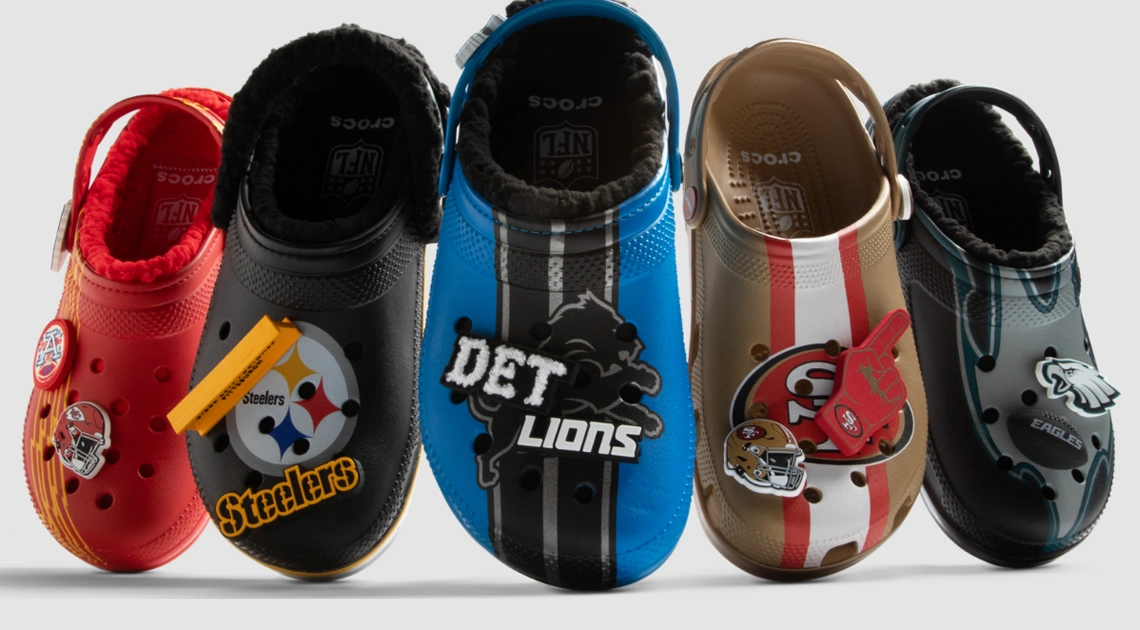
Crocs provides a strong contemporary example. The brand has developed a licensing and collaboration model that consistently feels unmistakably “Crocs” regardless of the partner involved. Whether collaborating with entertainment properties, fashion brands, or cultural icons, the core product architecture, visual language, and brand personality remain intact. Industry observers frequently point to Crocs as a licensing success because the company expands its reach without losing its identity.
This approach reflects a broader truth about licensing: consumers are buying into the brand story as much as the product itself. Design strategy ensures that the brand story remains clear and recognizable.
Design systems create scalable licensing opportunities
As licensing portfolios grow, scalability becomes a significant challenge. Brand owners often work with dozens, and sometimes hundreds, of licensing partners across multiple regions and product categories. Without a strategic design system in place, maintaining consistency becomes increasingly difficult.
Modern design strategy includes visual frameworks, storytelling principles, package design systems, design assets, experiential guidelines, and category-specific adaptations. These tools help licensees innovate while remaining aligned with the broader brand vision.
A strong design system also accelerates approvals and improves collaboration between licensors and licensees. Instead of relying solely on subjective feedback, teams can evaluate concepts against clearly defined strategic principles. This creates greater efficiency while reducing the risk of off-brand execution. The result is a licensing ecosystem that can grow without sacrificing brand integrity.
Licensing success today requires experience-led design
One of the most significant shifts in licensing has been the move from product-centric thinking to experience-centric thinking.
Consumers increasingly engage with brands through immersive experiences, social content, retail environments, and digital communities. Design strategy helps licensing programs create experiences that feel connected across these channels.
The recent Polly Pocket and Airbnb collaboration offers a compelling example. Rather than simply producing another licensed product, the partnership transformed the nostalgic Polly Pocket universe into a full-scale experiential environment. The success of the activation was driven by thoughtful design choices that translated the brand’s miniature, colorful world into a life-sized experience while maintaining the visual cues and emotional appeal that consumers associate with the brand.
Similarly, major global properties are increasingly building licensing programs around adaptable design systems that can extend across merchandise, events, digital content, and experiential activations. The LA28 Olympic Games recently introduced a flexible visual identity specifically designed to scale across venues, merchandise, partnerships, and licensing opportunities while maintaining a cohesive brand narrative.
These examples demonstrate how modern licensing success often begins with strategic design thinking rather than product development alone.
The future of brand licensing and creative strategy
As licensing continues to evolve, design strategy will become even more central to program development. Brand owners are facing increasing pressure to remain culturally relevant while maintaining consistency across a growing number of consumer touchpoints.
The brands that succeed will be those that view design as a strategic business function rather than a downstream creative service. They’ll invest in design systems that support innovation, strengthen governance, and create meaningful experiences that resonate with consumers.
Licensing has become one of the most visible expressions of a brand’s identity. Every licensed product, collaboration, and activation contributes to the larger story consumers tell themselves about a brand. Design strategy ensures that story remains compelling, consistent, and valuable over time.
Modern brand licensing requires a strategic design foundation that aligns business goals, consumer expectations, and brand equity across every product extension. As licensing programs become increasingly experience-driven and culturally connected, design strategy has become one of the most important tools available to brand owners seeking sustainable growth.
At Design Force, we develop research-driven creative strategies to help licensed brand owners create licensing programs that are not only visually compelling but strategically aligned for long-term success. If you’re evaluating the future of your licensed brand, let’s start a conversation about how our approach to research and creative strategy can help unlock your brand’s next phase of growth.