Walk down any toy aisle and you’ll witness a silent competition: dozens of packages vying for a child’s attention, each one hoping to spark a moment of emotional connection strong enough to trigger the magic words:“I want that!” In today’s hyper-competitive retail environment, where kids are bombarded with content across screens and platforms, packaging isn’t just a protective container for a toy brand. It’s the first touchpoint of storytelling. It’s where fantasy begins. And when done right, it’s a powerful tool for emotional connection.
Why emotion matters in toy package design
Kids don’t connect with toy brands through logic. They connect with them through feeling – joy, wonder, curiosity, a sense of belonging. Whether a toy that catches their attention at retail promises adventure, creativity, or companionship, that promise has to be felt before the product is even picked up off the shelf, let alone purchased. The most effective packaging captures that feeling instantly. It generates excitement, activates imagination, and creates anticipation for the play experience that lies inside.
Emotionally resonant packaging isn’t just about being bright and colorful. It’s about communicating the story behind the toy in a way that kids immediately understand. Storytelling on packaging helps kids visualize themselves in the world of the toy. It activates the fantasy the product is meant to fulfill – whether that’s raising a dragon, becoming a secret agent, or styling the most fabulous doll in the galaxy. The packaging becomes the prologue to the adventure.
Storytelling as the bridge to fantasy
Great toy packaging acts as a narrative gateway. It taps directly into the fantasy loop that drives most successful toy play patterns. Whether it’s role-play, world-building, problem-solving, or nurturing, packaging has to visually and emotionally cue what the toy will feel like to play with. This is where storytelling elements – both visual and verbal – become essential.
A compelling story doesn’t need paragraphs of text. It can be told through character expressions, background environments, typography, even package structure. Every visual element should work together to evoke a specific emotional response and invite the child into a universe they want to join.
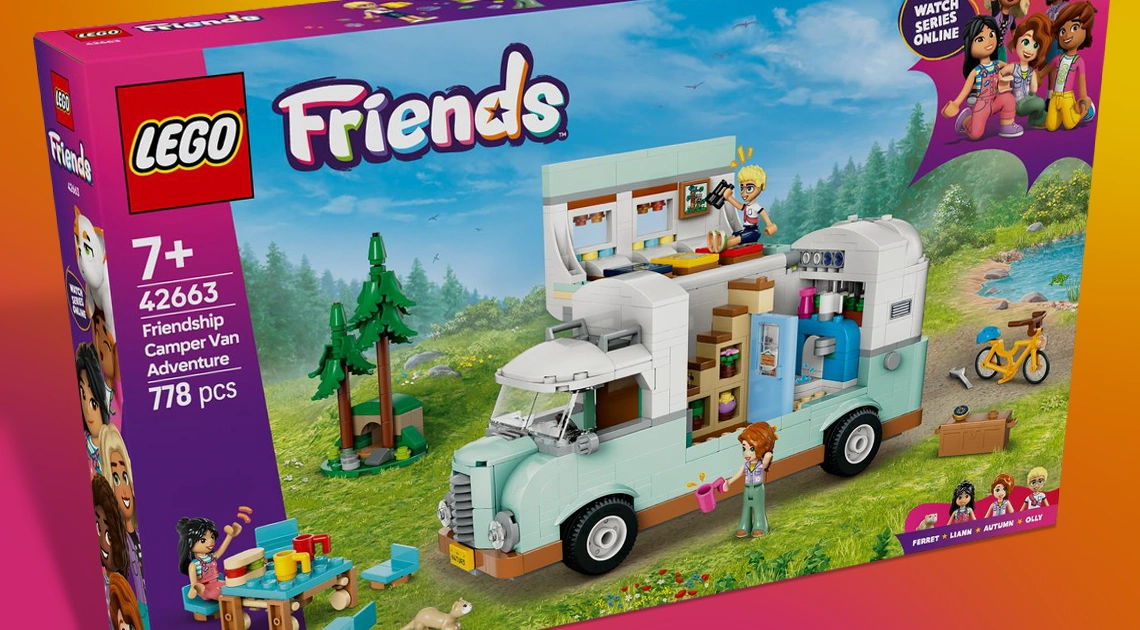
Packaging for LEGO Friends, for example, doesn’t just show what you can build, it shows the world you’re building. The front panel artwork is carefully crafted to showcase friendship, adventure, and identity. In the case of LEGO Friends Friendship Camper Van Adventure, the package design shows the characters laughing, connecting, and heading off on a journey together, which signals to kids that this isn’t just about building bricks, it’s about creating experiences with friends. That emotional framing transforms the set from a construction toy into an open invitation to imagine themselves in the story.
The power of “gotta have it!” design
The ultimate goal of emotional package design is to create what marketers call the “gotta have it!” moment. That’s the spark where desire, excitement, and personal connection collide in a split second. Kids may not understand brand strategy, but they know when something hits them just right. And, that moment often starts with the package.
So how is that feeling designed?
First, through clarity: the promise of the product has to be instantly recognizable. That doesn’t mean the packaging is simple, but it must be focused. A clear visual hierarchy, dynamic imagery, and a compelling hero moment are essential.
Second, through immediacy: the emotional hook has to land quickly. Kids aren’t analyzing shelf appeal – they’re reacting to it. Facial expressions, action poses, sparkles, textures, “Try Me!” call-outs, dynamic structural shapes – every choice adds to the impulse that says, this is special.
Finally, through consistency: packaging should reinforce the emotion across every panel. When the front speaks wonder and the back only speaks function, the message gets diluted. Cohesion creates confidence and a stronger emotional payoff.
Toy brands that nail the emotional hook
Across the toy industry, a few brands consistently lead the way with emotionally-driven package design.
L.O.L. Surprise!
No conversation about packaging that connects with kids on an emotional level is complete without mentioning L.O.L. Surprise!. The entire brand is built on emotional layers – quite literally. The unboxing experience is a story in itself. Bright, glittery, mysterious, and full of hints, the sphere-shaped package doesn’t show the product at all. Instead, it leans fully into fantasy and surprise. Kids aren’t buying a product – they’re buying the emotional thrill of discovery. This creates a strong psychological loop between packaging and play, reinforcing the emotional payoff at every stage.
Hot Wheels
Hot Wheels puts on a masterclass in immediate desire with its packaging. It’s compact, visually explosive, and always focused on a single emotional driver: speed. Flames, racing stripes, and images of Hot Wheels vehicles in powerful stances convey action and adrenaline at a single glance. Whether it’s a monster truck or a city cruiser, the emotion of fast, thrilling fun is baked into the package design. Hot Wheels also excels in licensed co-branded character crossovers, using storytelling on-pack to merge fantasy worlds – whether that’s Batman, Star Wars, or Mario Kart.
LEGO
As mentioned earlier, LEGO builds entire narratives on the front of the box. Whether it’s Ninjago, LEGO City, or Star Wars, the imagery doesn’t just show a product – it sets a scene. The character expressions are charged with emotion – fierce, joyful, curious. The environments behind them are full of motion and story threads. Every box is a self-contained pitch for why this world matters and how kids can be part of it.
What all three brands have in common is this: they don’t just show what’s in the box – they show what it feels like to play with it.
Emotional package design in the digital age
One might argue that digital content is becoming more important than physical packaging in driving emotional engagement. And while that’s true in some respects – especially with YouTube unboxings and TikTok reveals – packaging still plays a critical role. In retail environments, packaging is often the only direct marketing a kid experiences at the point of purchase. It’s through packaging that a kid physically interacts with the product for the first time. Even in e-commerce, the thumbnail image of the package often dictates click-through rates and purchase decisions.
The key is alignment. The fantasy world shown in videos, commercials, or digital storytelling needs to match what the child sees on the shelf. If the packaging doesn’t reflect the emotional promise already seeded online, the connection breaks. The best brands build emotional consistency across every touchpoint, with packaging as the physical anchor of that fantasy.
Designing with a kid’s mindset
Too often, toy packaging is skewed toward parent appeal: clean layouts, educational claims, or sustainability badges. While those factors matter (especially in categories like STEM or early learning), the emotional hook for kids shouldn’t be sacrificed. After all, kids are the ones who ask for a particular toy brand or product. They point it out at retail. They pull the box off the shelf. And, if the emotion is strong enough, they persuade their parents to buy it.
Designing emotionally-resonant packaging means designing from the perspective of the child. It means understanding how they see, feel, and imagine. It doesn’t mean ignoring adults; it means building for both audiences with intention.
Packaging is the first chapter of a story
Think of packaging as the first page of a brand’s story, the spark that kicks off imagination and emotional investment. When done well, it’s not just eye-catching – it’s heart-catching. It invites kids into a world they don’t want to leave, even before the toy is opened.
Brands that succeed in today’s toy market aren’t just building better products. They’re building better emotional experiences – and packaging is where those experiences begin.
So, the next time you’re developing packaging for your toy brand, ask yourself: what does this feel like to a kid? Does it tell a story? Does it spark imagination? Does it deliver that “gotta have it” moment at first glance? If not, you’re missing a powerful opportunity to connect.
Design Force, Inc. specializes in developing package design for toy and entertainment brands that deepens emotional connections, fuels fantasy, and drives consumer purchase decisions. Explore our package design expertise here.