In the world of brand licensing, particularly in toys and entertainment, there’s a familiar temptation that shows up early and often. A moment that feels harmless but carries real risk. A licensee reviews your brand, gets excited, and says something like, “We know our category. Let us put our spin on it.”
It sounds reasonable. It sounds collaborative. And, without a strong, well-conceived consumer product style guide in place, it’s often where things quietly begin to go wrong.
A style guide isn’t about micromanaging partners or limiting creativity. It’s about making sure every licensed product looks, feels, and behaves like it belongs to the same brand universe, no matter who makes it or what category it lives in.
When licensees are left to “design their own way,” the damage doesn’t usually show up all at once. It shows up gradually, as visual consistency gives way to interpretation, and interpretation gives way to dilution.
Why establishing a consumer product style guide for your brand matters
A consumer product style guide exists to define how a brand shows up in physical products, not just how core brand elements, such as the property logo and character artwork, look in isolation. For toy and entertainment brands, this distinction matters.
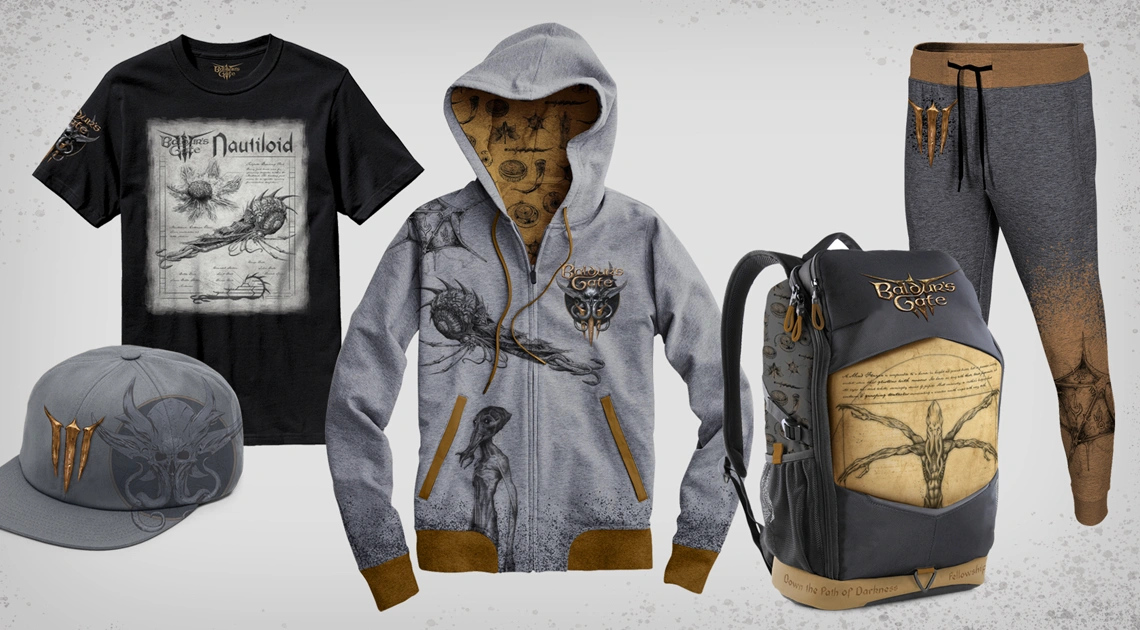
A strong style guide establishes the broader visual language for the brand with product development in mind. It includes design elements – composed graphics, patterns, badges, iconography, textures, and backgrounds that can be applied across a wide range of products from a variety of categories.
These design elements are the meat and potatoes of a licensing program. And, they do important work. They create cohesion between products that may never sit next to each other on shelf. They allow a brand to feel consistent whether it appears on apparel, an action figure, a board game, a role-play item, or a seasonal collectible. And they give licensees a clear design foundation so they’re not starting from scratch every time.
Without this structure, licensees fill in the blanks themselves, often based on what’s fastest, cheapest, or familiar from other brands they work with.
The hidden cost of licensee-led design decisions
Most licensees aren’t trying to harm a brand. They’re trying to make decisions that work for their product, timeline, and budget. But when there’s no style guide in place, those decisions are made in isolation.
One partner creates their own graphic composition based on what they feel looks good on their products. Another builds their own pattern language because none exists. A third leans heavily on generic visual cues because the brand hasn’t defined how it should live on products in their category. Over time, the brand’s visual DNA becomes fragmented.
In toys and entertainment, this fragmentation is especially costly. These brands rely on instant recognition and emotional connection. When licensed products don’t share a common aesthetic, the brand stops feeling intentional. It starts to feel licensed in the worst sense of the word.
Consumers may not articulate what’s wrong, but they sense inconsistency. Retail buyers notice it too, especially when evaluating line extensions or new licensee proposals. A brand that looks disjointed across products feels riskier to expand.
Category expertise isn’t a substitute for brand vision
It’s common for brand owners to lean on licensees because they know their category. And that expertise is valuable. But category expertise doesn’t replace the need for a clearly articulated brand vision for consumer products.
A well-conceived consumer product style guide translates brand strategy into something licensees can actually design against. It answers questions before they’re asked. What types of graphic expressions feel on-brand? How bold or restrained should patterns be? What visual cues signal this brand from across the aisle or across the room?
When those answers live in a guide, approvals become smoother and more objective. When they don’t, brand teams are left reacting to individual designs instead of guiding a system.
The role of product inspiration in a consumer product style guide
One of the most overlooked components of a strong consumer product style guide is product inspiration. Not real SKUs, but fictitious product examples that show how the brand’s visual system comes to life on actual items.
These examples are powerful because they remove ambiguity. Instead of asking licensees to imagine how graphics, patterns, and badges might work together, you show them. A fictional playset, a pretend electronic toy, or a conceptual game can demonstrate scale, hierarchy, and tone in a way asset libraries alone never will.
For entertainment brands especially, inspiration pages help licensees understand how to balance character presence with supporting graphics, how much brand storytelling belongs on product, and how the brand’s personality should feel in three dimensions.
This kind of guidance doesn’t limit creativity. It accelerates it.
How style guides protect long-term brand value
The real risk of letting licensees design their own way isn’t just visual inconsistency. It’s the slow erosion of brand equity. When every product reinvents the brand, recognition weakens. When recognition weakens, differentiation suffers. And when differentiation suffers, price pressure and retailer hesitation follow.
A well-designed consumer product style guide protects against that outcome. It gives licensees a shared framework, gives brand teams a scalable approval tool, and gives the market a clear, confident brand presence.
Is your brand’s style guide doing enough to protect and grow your brand?
In the end, the question isn’t whether licensees are capable designers. It’s whether they can consistently design in a way that builds your brand rather than quietly reshaping it over time. For toy and entertainment properties, where visual cohesion and emotional recognition drive value, that distinction matters more than ever.
A thoughtfully developed consumer product style guide gives licensees clarity, gives brand teams confidence, and gives the market a brand that feels intentional at every touchpoint. It turns growth into something you can manage instead of something you react to.
If you’re evaluating how your licensed products show up in the world, or you’re feeling the strain of too much interpretation across partners, it may be time to rethink the foundation. Our team specializes in designing consumer product style guides that help licensed brands scale without losing their identity. Learn more about our approach to style guide design and how it can support a stronger, more cohesive licensing program.