Universal’s rollout of Wicked: For Good is a standout example of how powerful brand licensing becomes when it starts with story rather than product. By reframing the second film through a narrative lens and renaming it to reflect the emotional peak of the musical, Universal set the tone for a licensing program built on meaning. This approach signals a shift that global toy and entertainment brands should note. When the story is strong, partners have a clear path for translation into product and experience.
Why Story Is the Foundation of Effective Licensing
Universal’s strategy shows that narrative is more than a backdrop. It is the strategic anchor for the entire program. Instead of relying only on character likenesses or iconic imagery, the studio leans on themes like transformation, empowerment, and identity. These narrative cues give licensees something deeper to work with. For brands operating in toys, collectibles, and entertainment, this is a reminder that story carries commercial value. It shapes product direction, informs audience targeting, and keeps the IP culturally relevant beyond the release window.
With more than 300 partners across toys, fashion, beauty, home, and lifestyle, Universal is not just scaling. It is world-building. This level of category diversification positions Wicked as a lifestyle property rather than a single-film moment. Each category becomes a different touchpoint in the broader ecosystem. For brand leaders, the lesson is clear. A wide-ranging program only succeeds when the brand narrative is strong enough to guide product across tiers, from mass retail to premium collaborations.
How Visual Consistency Strengthens Licensing Programs
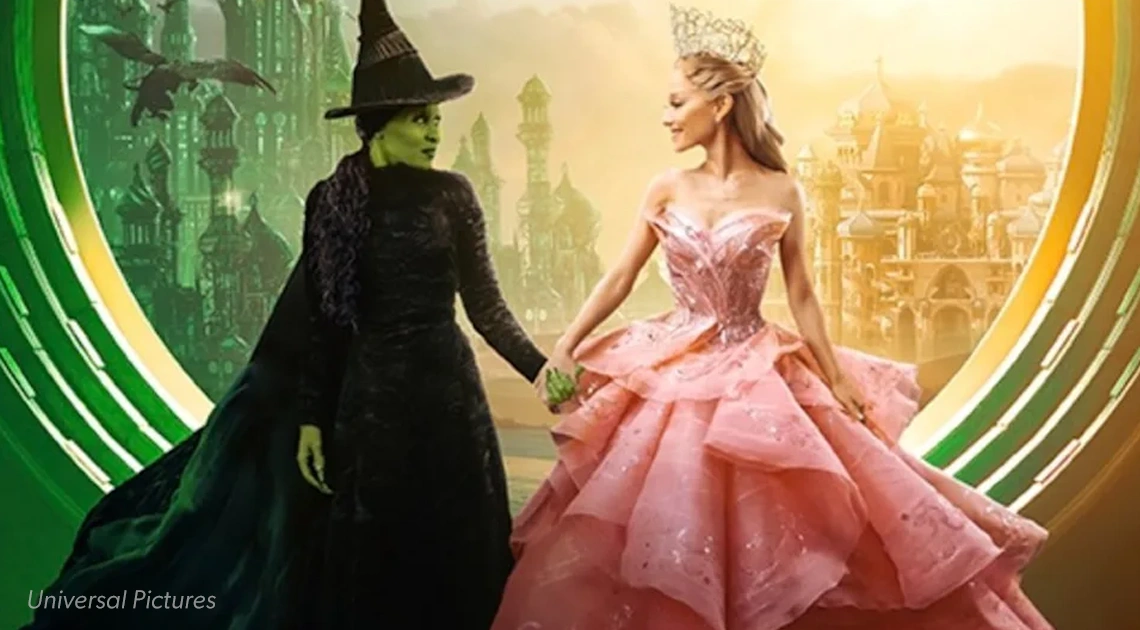
At the center of Universal’s licensing success is a unified visual identity. The emerald green and pastel pink palette, paired with cues from the original stage production, gives every partner a clear framework to work within. This is where style guides become essential. A strong design system provides structure without limiting creativity. It ensures a premium jewellery partner and a mass toy licensee can both feel on-brand, even when their products look nothing alike. That kind of consistency is a competitive advantage, not a constraint.
Timing, Lifecycle Planning, and Market Momentum
The decision to split Wicked into two films gives Universal built-in licensing momentum. The first film established the visual world. The second expands it with fresh narrative and creative cues. This staggered release allows for phased product cycles, retail refreshes, and renewed storytelling opportunities. Brands in toys and entertainment can apply the same thinking. Sequels, seasonality, and phased narratives create room for sustained engagement instead of a single launch spike.
With hundreds of partners, quality control becomes critical. Universal manages this through selective premium collaborations that lift the cultural value of the IP. High-end fashion and jewellery partners raise the profile of the brand and set a benchmark for quality and tone. When executed well, this combination of mass and premium partnerships protects the brand while expanding it. The takeaway for brand leaders is simple. Guardrails matter. Partner selection matters. A licensing program is only as strong as its weakest execution.
Treating Licensing as a Cultural Strategy, Not a Merchandising Add-On
Universal’s approach shows a clear understanding of licensing as a cultural engine. Products across categories keep Wicked present in everyday life, well beyond the film’s theatrical window. This is where many brands fall short. Licensing should not be a bolt-on extension of marketing. It should be a strategic avenue for building relevance, reach, and emotional connection.
Turn Your Story Into a Licensing Engine
Universal’s work on Wicked: For Good demonstrates what happens when story, design, and licensing strategy operate as one. The result is a cohesive world that partners can activate and fans can instantly recognize.
If your brand is ready to build licensing programs with this level of clarity and impact, Design Force, Inc. can help. Our team specializes in the development of style guides that translate story into design and design into scalable licensing frameworks. Reach out when you are ready to turn your brand narrative into a licensing ecosystem that actually works.