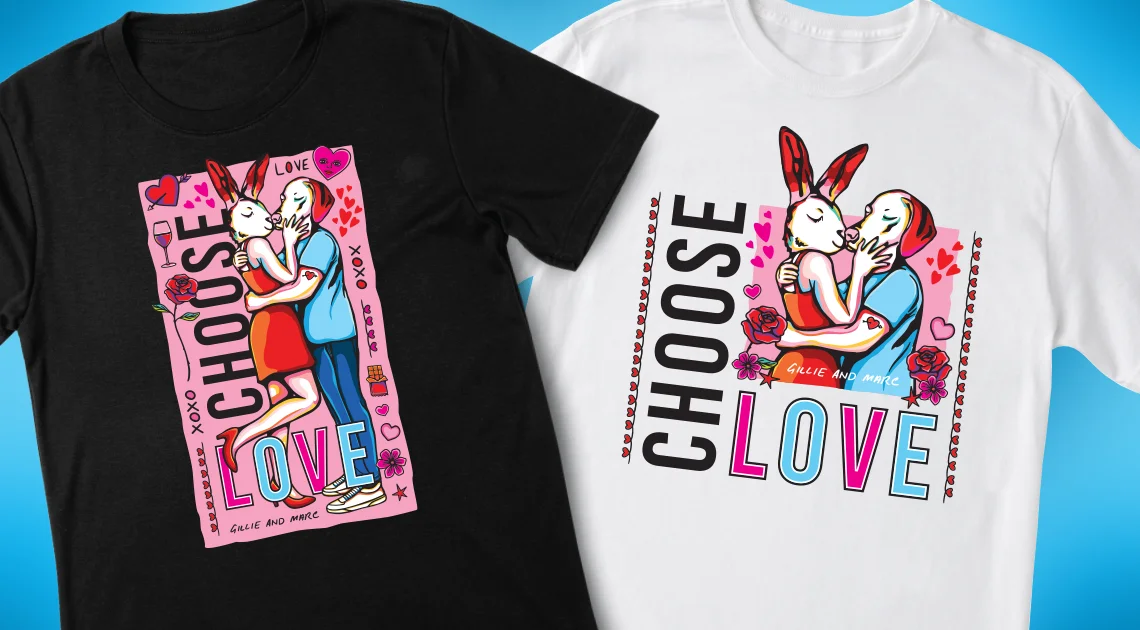
For more than 25 years, our team has developed licensing program style guides for top-tier entertainment brands across every genre imaginable – from classic character-driven properties to those based on animated series, blockbuster films, toy brands and gaming franchises. During that time, we’ve produced tens of thousands of original design assets to support our clients’ licensed brands across a broad range of consumer product categories, including toys, apparel, home goods, publishing, and more.
But here’s something we’ve learned that may surprise you: licensees rarely use the design assets we create exactly as they’re presented in the guide.
This realization has shaped how we develop style guides today – and how we help licensors empower their partners while protecting brand equity.
Why licensees modify style guide assets (and why it’s okay)
In the early days, it was frustrating to see our artwork reinterpreted – sometimes subtly, sometimes drastically – when products hit retail. Why stray from professionally designed, “ready-to-use” assets? Didn’t that defeat the purpose of a style guide?
But as we began working more closely with licensees and tracking product performance, we realized the motivation wasn’t about disregarding the guide – it was about adding value.
Licensees want their products to stand out. If a dozen partners use the same character art in the same way, none of those products feel unique at retail. Even small tweaks, like shifting a character’s placement, recoloring a background, or combining assets in new ways, can make a product feel more “ownable.”
When done thoughtfully and on-brand, these modifications help drive sell-in and sell-through. In fact, in many programs, the best-selling licensed SKUs feature creatively adapted assets, not direct cut-and-paste uses from the guide.
How licensing style guides have evolved for today’s market
The role of the licensing style guide has undergone a dramatic transformation in recent years. Historically, guides were rigid documents built around brand control and uniformity. Today, they must be flexible tools designed to inspire, not just enforce. That’s because the licensing ecosystem itself has evolved:
- Transmedia storytelling has blurred the lines between product categories and content formats.
- New channels – from ecommerce to influencer-curated drops – demand faster creative iteration.
- Niche audiences expect tailored experiences, not mass-market sameness.
As a result, the focus has shifted from strict asset standardization to visual consistency and brand intent. A successful modern style guide provides a cohesive look and feel, but also encourages strategic customization to suit different product types, retail environments, and audience expectations.
How to help licensees adapt style guide assets successfully
Creative freedom, when unstructured, can lead to missteps. Not all licensees have the design skills or understanding of the brand to modify assets successfully. That’s where a modern style guide can do more than dictate – it can educate.
We’re seeing increased demand for “how-to” sections within guides that include:
- Visual composition tutorials showing how to combine logos, characters, and patterns
- Before-and-after examples of acceptable asset modifications
- Design checklists to ensure on-brand outcomes
- Modular templates that licensees can customize while staying on-strategy
These proactive additions give licensees the confidence – and creative boundaries – to innovate without compromising brand integrity.
Additionally, product application mockups have become a critical part of the guide. These visuals don’t just show what’s possible – they provide a benchmark for the proper visual aesthetic when adapting assets across various product types and for different audiences.
Finding the right balance between brand consistency and creative freedom
So, how much freedom is too much?
That’s the delicate line every licensor must walk. The answer depends on your brand’s equity, audience expectations, and long-term strategy. For evergreen properties with global reach, stricter controls may be necessary. But for lifestyle-driven or trend-sensitive brands, licensee customization can be a powerful differentiator.
Ultimately, the goal of a licensing style guide isn’t to lock down creativity, it’s to channel it. The most successful guides today are those that strike the right balance between structure and flexibility. They serve as a visual compass, not a rulebook.
Let’s rethink what a style guide can be
At Design Force, Inc., we specialize in developing licensing program style guides that go beyond templates and trend boards. We create tools that empower licensees to produce compelling, brand-authentic products, while giving licensors the confidence that every SKU will represent their IP with integrity.
If you’re navigating how to modernize your licensing program, or struggling with licensees who aren’t maximizing your design assets, we can help. Let’s talk about how a smarter, more flexible approach to design elements development can drive better results for your brand and your partners.